What an Electrical Transformer Really Does
An electrical transformer is a static electrical device that transfers electrical energy between two or more circuits through electromagnetic induction, changing voltage and current levels without changing frequency. It has no moving parts, which is why it is one of the most reliable and longest-serving assets in any power system. Step-up transformers raise voltage for efficient long-distance transmission, while step-down transformers lower it to levels that factories, buildings and equipment can safely use.
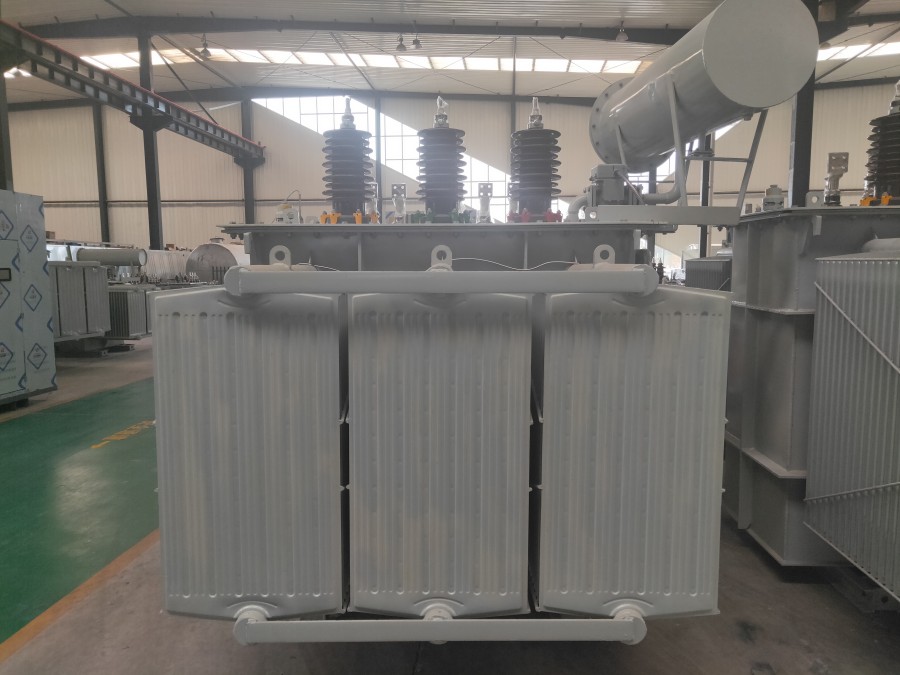
For anyone specifying, purchasing or maintaining power equipment, understanding the electrical transformer is the first step toward controlling cost, energy loss and downtime. This overview covers the fundamentals, the main product categories, the specifications that actually matter, and the purchasing habits that separate a smart buyer from an overpaying one.
Core Components and Working Principle
The electrical transformer relies on a simple but highly engineered structure. Alternating current in the primary winding creates a changing magnetic flux in the core, which induces a voltage in the secondary winding. The ratio of turns between the two windings determines the voltage ratio.
- Magnetic core - laminated silicon steel, wound core or amorphous alloy strip, chosen for low hysteresis and eddy-current loss
- Windings - copper or aluminium conductors, insulated and arranged to withstand short-circuit forces and thermal stress
- Insulation system - kraft paper and transformer oil, or cast epoxy resin and insulating barriers in dry-type designs
- Cooling and protection - radiators, fans, conservator tanks, Buchholz relay, pressure relief devices and temperature sensors
- Tap changer - off-circuit or on-load, allowing voltage regulation as load and grid conditions change
Main Categories of Electrical Transformer
Manufacturers group products by cooling medium, core material and application. The most commonly purchased categories are:
- Oil-immersed transformer - the S11, S13, S20 and S22 series dominate distribution networks. Oil provides both insulation and cooling, giving high capacity in a compact footprint and the lowest cost per kVA. The S13 series 10KV three-dimensional magnetic path wound core transformer and D10 series single-phase wound core transformer are further optimisations of this family.
- Dry-type transformer - the SCB10, SCB13, SCB14, SCB18 and SGB10 series use cast resin or impregnated insulation instead of oil. They are fire-resistant and oil-free, making them the standard choice for indoor installations such as commercial buildings, hospitals, metro stations and data centres.
- Amorphous alloy transformer - the SH15 and SCBH15 series use amorphous metal cores with extremely low no-load loss, ideal for projects with strict energy-efficiency targets and long no-load operating hours.
- Special-purpose designs - mining transformers for harsh underground conditions, rectifier transformers feeding DC loads, lightning arrester transformers, capacity-regulating transformers, and custom-designed special transformers built to project drawings.
- Complete power distribution packages - preassembled substations, European-style and American-style compact substations, and high and low voltage switchgear that integrate the electrical transformer with switching, protection and metering.
Key Specifications Buyers Should Verify
Prices vary widely between suppliers, and the difference is almost always hidden in the specification. Before comparing quotations, confirm the following:
- Rated capacity - commonly from 30 kVA to 6300 kVA for distribution duty; oversized units waste capital, undersized units overheat
- Voltage class - 10 kV and 35 kV systems are the mainstream; higher classes require different insulation and clearance design
- No-load and load loss - the single most important long-term cost factor; a cheaper unit with higher loss can cost more in electricity than it saved at purchase
- Impedance voltage - affects short-circuit current and voltage regulation, and must match the system protection settings
- Cooling method and temperature rise - ONAN, ONAF, AN or AF, matched to ambient temperature and duty cycle
- Tap range - off-circuit tapping is sufficient for stable grids; a load tap changing transformer is needed where voltage fluctuates during operation
- Enclosure and protection class - IP rating and corrosion protection for outdoor, coastal or dusty environments
Oil-Immersed vs Dry-Type: A Quick Decision Guide
Choose an oil-immersed transformer when you need high capacity, high overload capability and the best cost per kVA, and when a dedicated transformer room or outdoor installation is available. Choose a dry-type transformer when the unit must sit inside an occupied building, when fire safety and environmental rules prohibit oil, or when maintenance access is limited. In renewable energy projects, both types appear - dry-type units near inverters and oil-immersed units at the collection substation.
Where Electrical Transformers Are Used
- Utility distribution networks and industrial plants, as distribution transformers stepping 10 kV or 35 kV down to 400 V
- Solar farms, wind farms and energy storage stations, where a renewable energy transformer matches generator or inverter output to the grid
- Mines, steel mills, chemical plants and electrolysis lines, using mining transformers and rectifier transformers
- Commercial complexes, hospitals and infrastructure, using compact substations and high and low voltage switchgear packages
How to Buy Without Overpaying
Most price inflation in this market comes from the supply chain, not the raw materials. A few practical rules help buyers keep costs under control:
- Buy from the source. Working directly with a power transformer manufacturer removes trading-company margins, and factory-direct pricing usually reflects real material cost rather than reseller markup.
- Compare losses, not just price. Ask for no-load and load loss figures and calculate ten-year energy cost at your tariff.
- Insist on documentation. A manual, inspection report, test certificate and type-test data should accompany every unit.
- Confirm traceability. Serial-numbered units with lifelong quality tracking protect you during warranty claims and future expansion.
- Plan the whole package. Bundling the electrical transformer with switchgear or a compact substation often reduces total cost and interface risk.
As a transformer manufacturer with comprehensive stock and assured quality, Runsheng Transformer Co., Ltd. produces S22, S20, S11 and S13 oil-immersed transformers, SCB13, SCB14 and SCB18 dry-type transformers, SH15 amorphous alloy transformers, mining and rectifier transformers, plus 35 kV and below preassembled substation equipment. All products comply with national standards and ship with manuals, inspection reports and test certificates.
Quick Buyer Checklist
- Capacity, voltage ratio, vector group and frequency confirmed against the load calculation
- Loss level and efficiency verified for your operating profile
- Cooling method, temperature rise and altitude correction checked
- Indoor or outdoor installation, IP class and clearances defined
- Tap changer type and range specified
- Test reports, drawings and spare parts list requested with the quotation
Contact
Phone: +86 13406394988 | E-mail: runsheng@7813transformer.com | WhatsApp: 008613508930968